Researched by the Piedmont Historical Society
The History of Piedmont
Nearly two centuries at the crossroads, from a hollow stump and Indian trails to the city at the foot of the mountains.
Hollow Stump Cross Roads
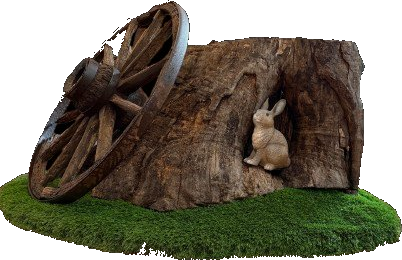
In the 1840s, this was a meeting of Cherokee and Creek Indian trails that became two post roads: the Rome & Wetumpka Road (today's Ladiga Street) and the Centre & Choccoloco Road (today's Center Avenue). At their corner stood a hollow sycamore stump that served as the area's first "post office," where settlers and American Indians left and collected mail.
James William Price arrived from Tennessee in 1844, among the first white settlers, running an inn and stables at the prized commercial crossroads. In February 1848, Jacob Forney Dailey settled in a log cabin and opened the first general store. He later became the first mayor and helped bring about Piedmont's incorporation.
Cross Plains & the Railroad
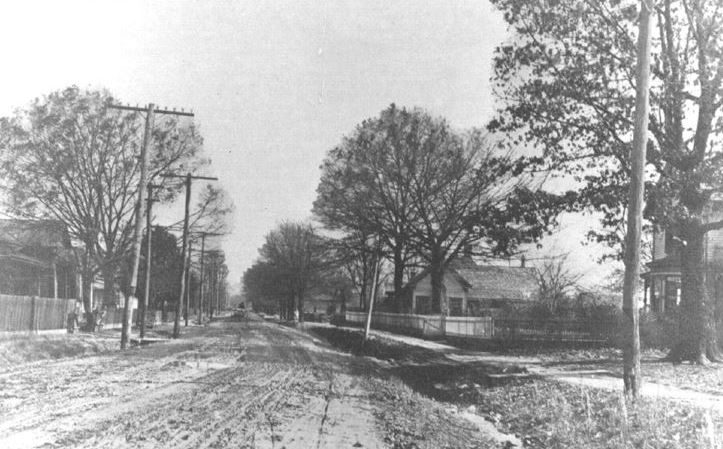
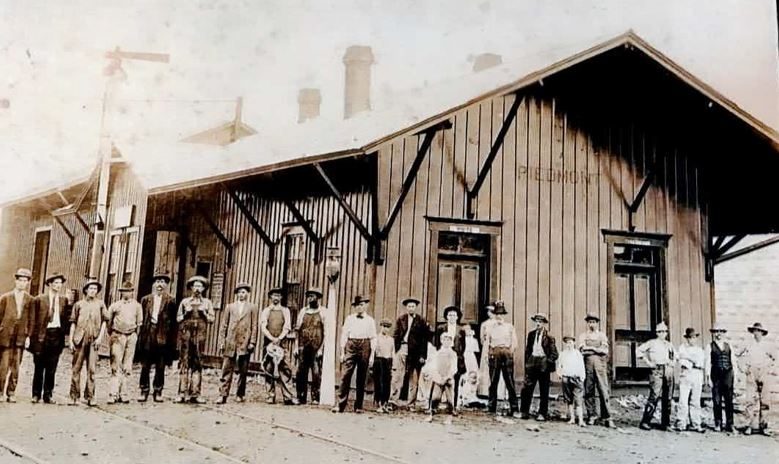
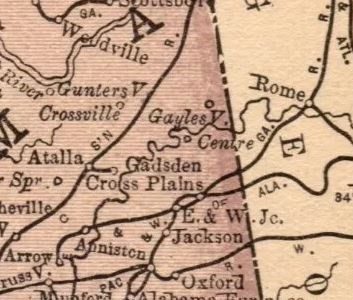
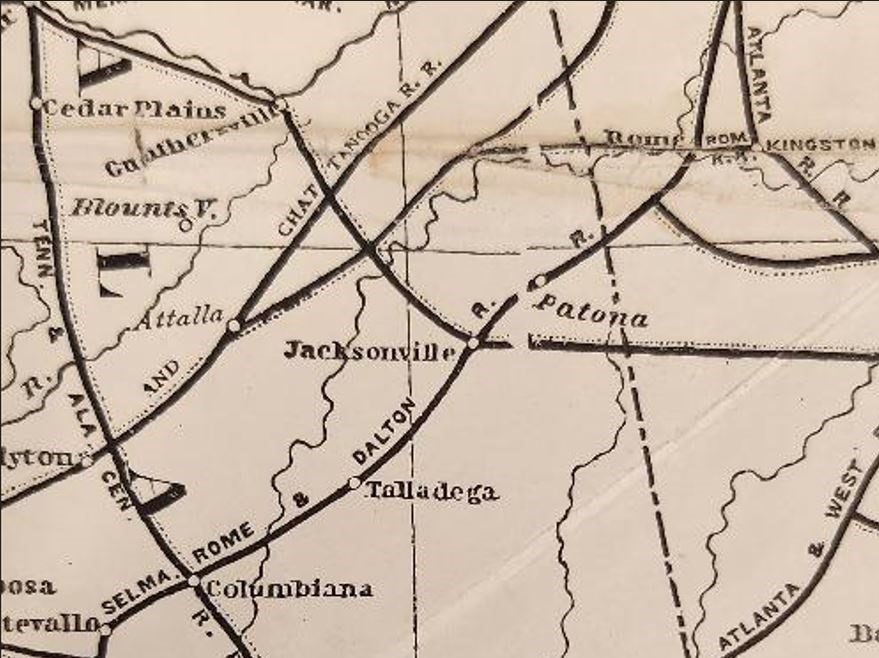
The community chose "Cross Plains" over the name Griffin's Creek in 1851, and the post office opened that September with Jacob Forney Dailey as first postmaster. Incorporated in 1871, Cross Plains grew fast: by 1879 it had 200 citizens, eight general stores, two churches, two schools, and the Selma, Rome & Dalton Railroad. For a brief moment in 1870 a railroad settlement just west of town carried the name "Patona."
Becoming Piedmont
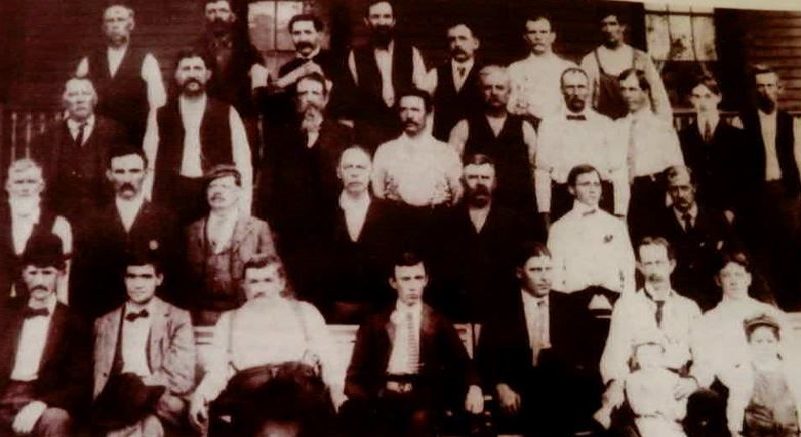
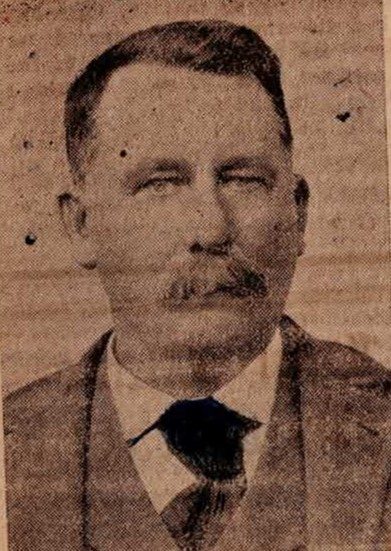
In 1888, citizens moved to rename the town. The name "Piedmont" (Latin for "foot of the hills") was promoted by the editors of The Saturday Post and credited to William Iredell Hood, who thought the foothills recalled the Piedmont Plateau of North Carolina. It became official on July 30, 1888, and the Alabama General Assembly incorporated the City of Piedmont on December 12, 1888. At the time, the area was home to roughly 1,000 settlers and 3,000 Cherokee and Creek people.
The Boom, the Mills & the Banks
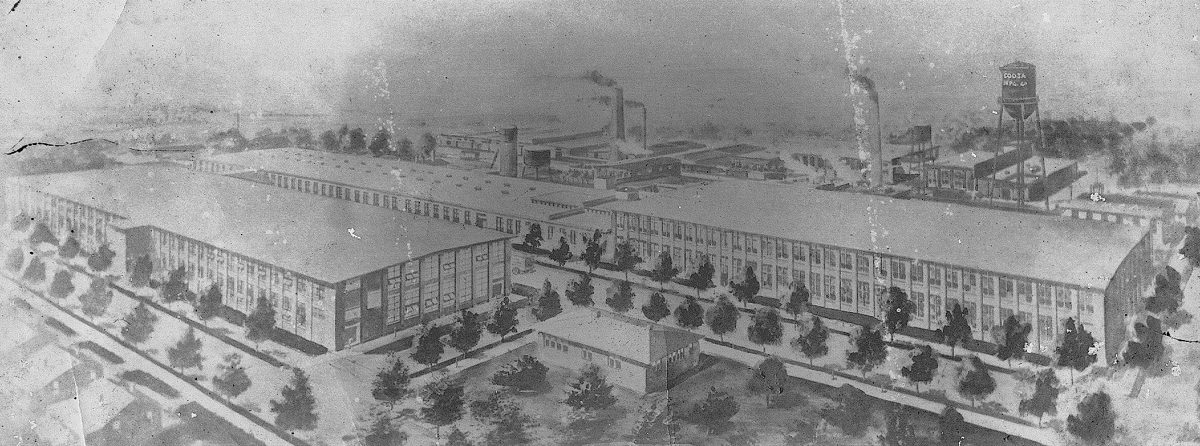
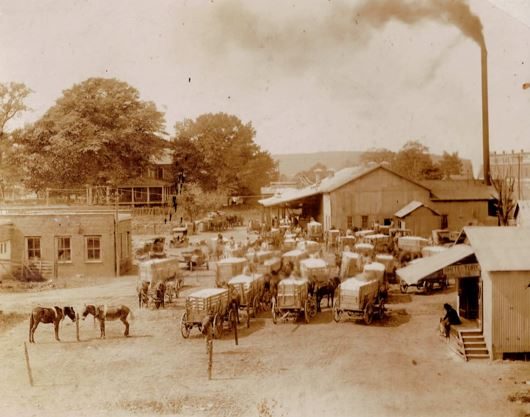
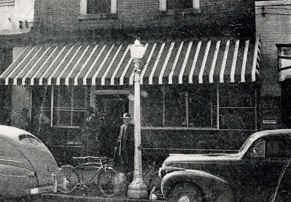
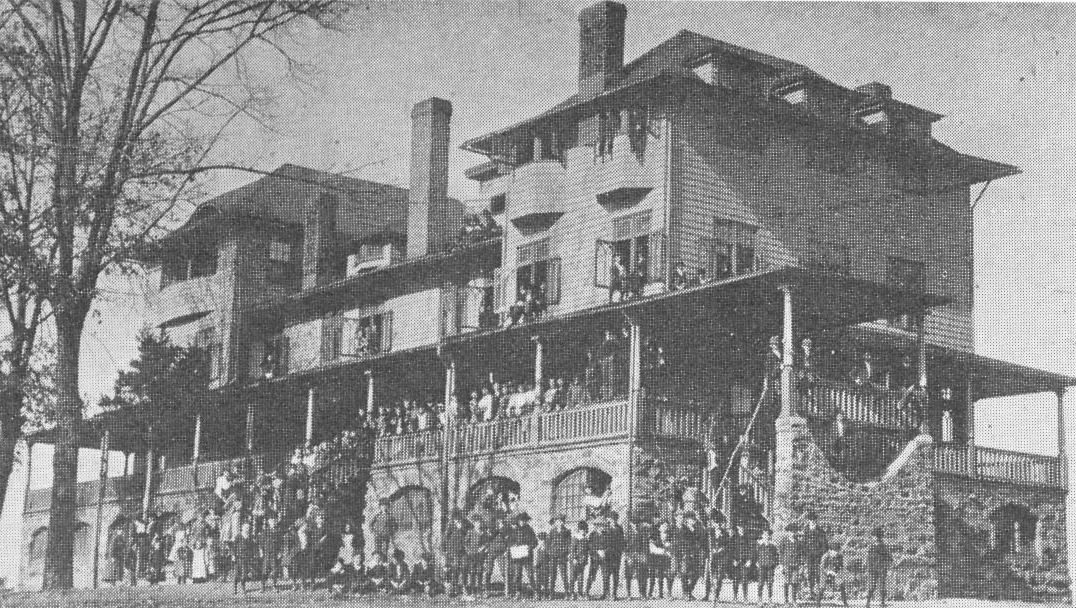
The 1890s boom brought churches, hotels, two mountain resorts, and electric street lamps as early as 1891. The plant operator blew a whistle at 10:45 pm so residents could light oil lamps before the power cut at 11:00. The boom crashed in the Panic of 1893, but industry returned. The Coosa Manufacturing Company (1892) became Standard Coosa Thatcher, a major employer until 1995. Banking grew too, from the Bank of Piedmont (1890) to the Farmers & Merchants Bank, founded 1915 at 109 North Center Avenue and still family-led today.
Schools, Mid-Century & the Modern Era
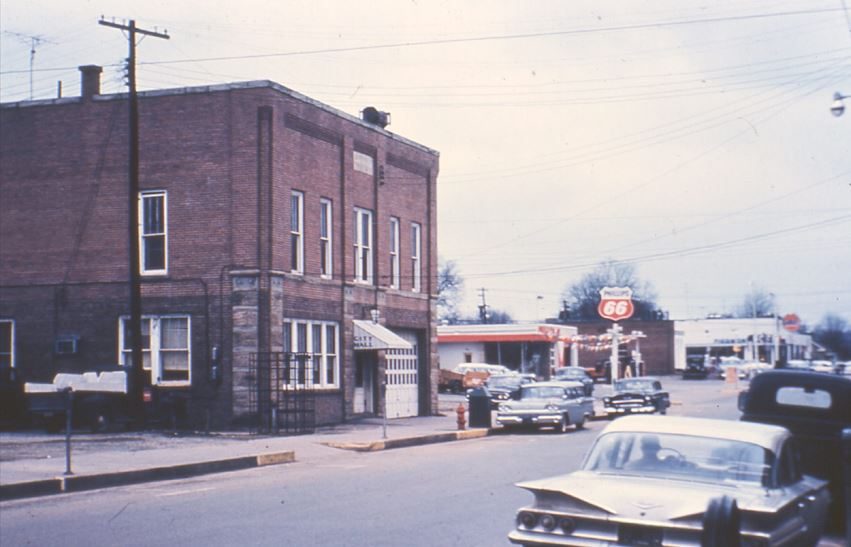
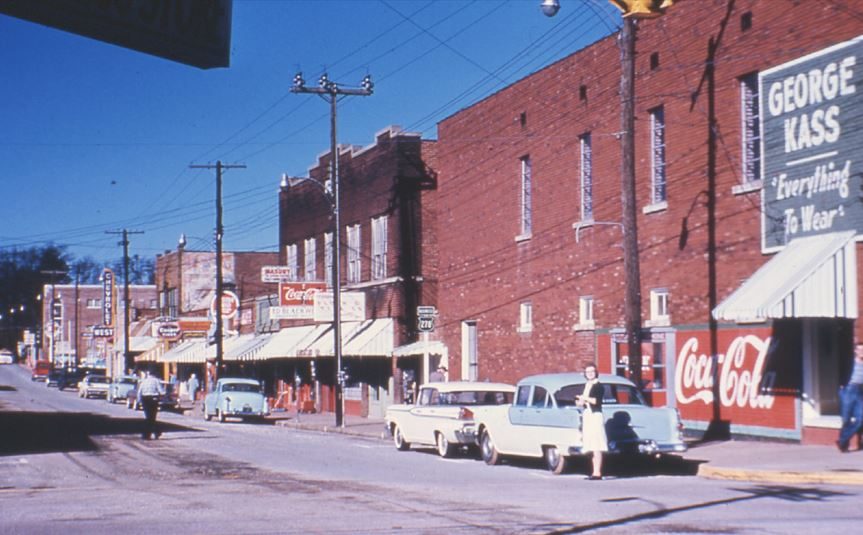
Education grew from early academies into the Piedmont Public School (1900) and today's nationally recognized Piedmont City School System. Through the 20th century, downtown thrived with storefronts, the old City Hall, and a mix of industry: textiles, poultry, manufacturing, and healthcare. After the textile losses of the 1990s, Piedmont turned toward healthcare and embraced the Chief Ladiga Trail, Terrapin Creek, and the Appalachian foothills for recreation and tourism.
Explore More
The Story Continues at the Museum
The Piedmont Historical Society preserves this history in the restored Southern Railroad depot downtown. Visit in person or explore the museum's website.
Visit the Museum Site